Choosing a suspenseful book for your teen can feel like a guessing game. Do they want to follow clues and solve a puzzle, or race through a story where danger is already closing in? And if they’re sensitive to darker themes, how can you tell what might suit them?
There’s no one right starting point. YA mystery and YA thriller often overlap, but they offer different kinds of suspense. Once you know what your teen enjoys, and what feels comfortable for them, you can pick a book that’s more likely to keep them turning pages.
What’s the difference between a YA mystery and a YA thriller?
A YA mystery is built around a question: What happened? Who’s responsible? Why? The main character gathers clues, considers suspects, and works toward an explanation. The pleasure often comes from noticing details and seeing how they fit together.
A YA thriller puts more emphasis on immediate danger. The central question may be whether a character can escape, stay safe, or stop something harmful from happening. The pace may be faster, and the tension more intense.
Think of it this way: a mystery invites your teen to solve the case; a thriller asks them to face the danger.
These are useful guideposts, not strict rules. Many books do both. A mystery can have a heart-pounding climax, and a thriller can ask readers to piece together what really happened.
| If your teen enjoys… | They might start with… |
|---|---|
| Clues, suspects, secrets, and deduction | A YA mystery |
| Urgency, peril, and a race against time | A YA thriller |
| A twisty investigation with high stakes | A mystery-thriller hybrid |

Where does Accidental Tribes fit?
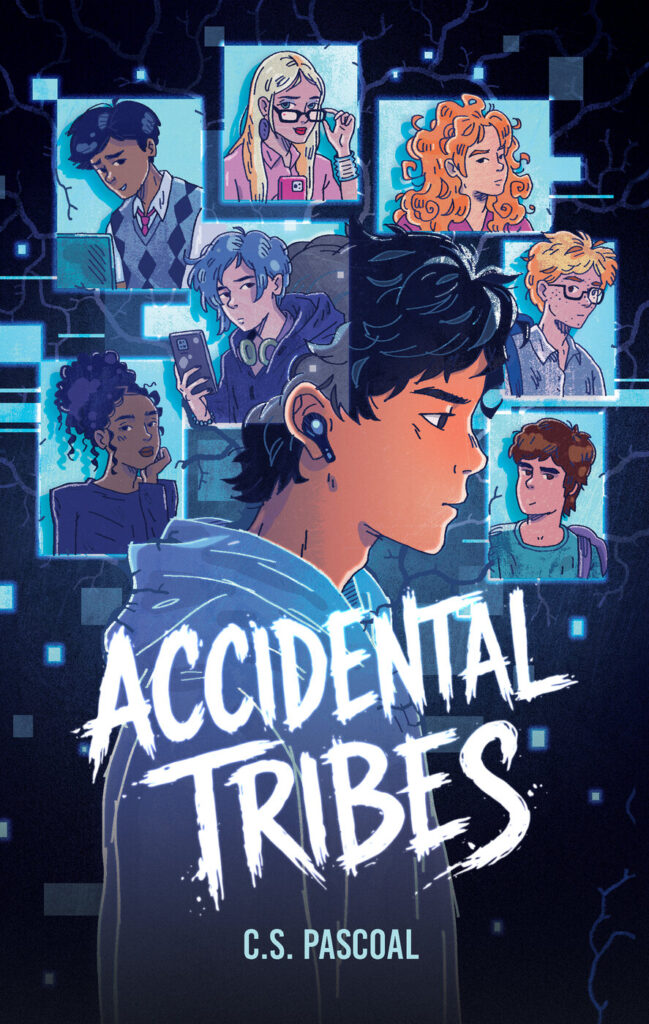
If your teen wants a story that mixes investigation with high stakes, Accidental Tribes may be one to explore. It follows eight teenagers sent to a forgotten classroom called Solitaria for a 30-day disciplinary test. As they navigate conflicts with one another, they uncover school secrets, an unsolved death, and possible cover-ups.
The book is a YA mystery with suspenseful elements, and its illustrated format brings the characters and atmosphere onto the page. Its story also touches on digital realities such as hacked grades, anonymous accounts, cyberbullying, and AI-generated fakes. Those themes may offer a natural starting point for conversations about what teens encounter online and offline.
You can read the first chapters to see whether the style and premise appeal to your teen. For parents, teachers, and librarians, the site also offers free educator resources, including materials for discussion.
Which one should your teen read first?
Start with a mystery if they like puzzles
A clue-driven story can be a comfortable entry into suspense. Your teen gets a central question to follow, and the investigation gives the story a clear path: find the evidence, compare explanations, and see what holds up.
For example, The Agathas by Kathleen Glasgow and Liz Lawson follows two unlikely friends investigating a girl’s death. Stanford’s library guide lists it for ages 14 and up. It’s a useful pick for a reader drawn to suspects, secrets, and friendship alongside the case.
Another option is Truly Devious by Maureen Johnson, which centers on an old school mystery and a teen determined to solve it. Stanford lists the first book for grade 8 and up. The series may appeal to readers who like an atmospheric setting and a puzzle that unfolds over time.
Start with a thriller if they want danger on the page
Some teens want the story to move quickly and make them wonder what will happen next. If your reader enjoys high stakes and can handle more intense scenes, a thriller may be the better first choice.
In The Girls I’ve Been by Tess Sharpe, a bank robbery turns a tense day into a hostage situation. The publisher lists the book for ages 14 and up and describes it as a suspenseful thriller. Its premise signals an action-focused read, so it’s worth checking the description and content notes with your teen before choosing it.
A thriller can be exciting without being the right fit for every reader. If your teen is unsure, ask what kind of suspense they enjoy: a tense atmosphere, a close call, or a frightening threat? Their answer can help you find the right level.
Choose a hybrid if they want both
If your teen likes figuring things out but also wants high stakes, a mystery-thriller hybrid may be just right. One of Us Is Lying by Karen M. McManus, for instance, begins with a death during high school detention and follows students surrounded by secrets. Stanford lists it for ages 14 and up.
This kind of book offers an investigation, but the tension can come from more than the puzzle. Readers may also wonder whom to trust, what the characters are hiding, and what could happen as the truth emerges.
A quick way to match a book to your teen
You don’t need to know every suspense subgenre to make a thoughtful choice. Try asking:
- Do they want to figure something out, or experience immediate danger? Clues and deduction point toward a mystery. Urgency and peril point toward a thriller.
- How intense do they want the story to feel? Suspense is personal. A missing-person case may feel manageable to one teen and unsettling to another.
- What themes are they comfortable reading about right now? Books in either genre may include violence, grief, bullying, or other difficult material. Check the publisher’s description, library guidance, or a trusted review if you’re unsure.
- Can they sample a few pages first? A preview can reveal the writing style and mood faster than a genre label can. If your teen loses interest, that’s helpful information, not a reading failure.
The American Library Association’s YALSA describes its Best Fiction for Young Adults recommendations as reading for ages 12 to 18. That broad range is a reminder that “YA” isn’t a precise content rating. Books for teens vary widely in tone, subject matter, and intensity, so consider the individual reader and title.
The best first book is the one they want to finish
So, mystery or thriller first? Try a mystery if your teen loves clues, secrets, and solving a case. Try a thriller if they’re looking for immediate danger and a quicker pulse. Choose a hybrid if they want both.
Then let your teen help decide. Read a description together, check the age guidance, and talk about any themes that might matter to them. The aim isn’t to find the “perfect” genre. It’s to find a story that feels exciting, manageable, and worth picking up.
For more ideas, explore our guide to YA mystery and thriller books or browse illustrated YA mystery books.