Latest articles

  • Digital Safety

    Middle School Online Safety: Real Risks and Practical Fixes

    Middle school online safety is urgent: in 2026, 68% of children reported encountering at least one form of online harm in the past year. That number should stop anyone cold. Yet many of the online safety conversations happening in homes and classrooms are still built around advice from a decade ago, don't share your password, don't talk to strangers. Middle schoolers today are navigating AI-generated harassment, anonymous account pile-ons, and grooming tactics that look nothing like what most adults were warned about when they were young.

  • Classroom

    Best YA Novels to Teach Digital Citizenship in Middle School

    Here's a confession most middle school teachers will recognize: you spend a weekend hunting for a novel that actually addresses screen time, AI misuse, or cyberbullying, and what you find is a story where a wise adult sits a teenager down and explains the dangers of the internet for three paragraphs. Your students will smell the lesson coming before you've finished reading the back cover. They'll be polite about it. They will not care.

  • Classroom

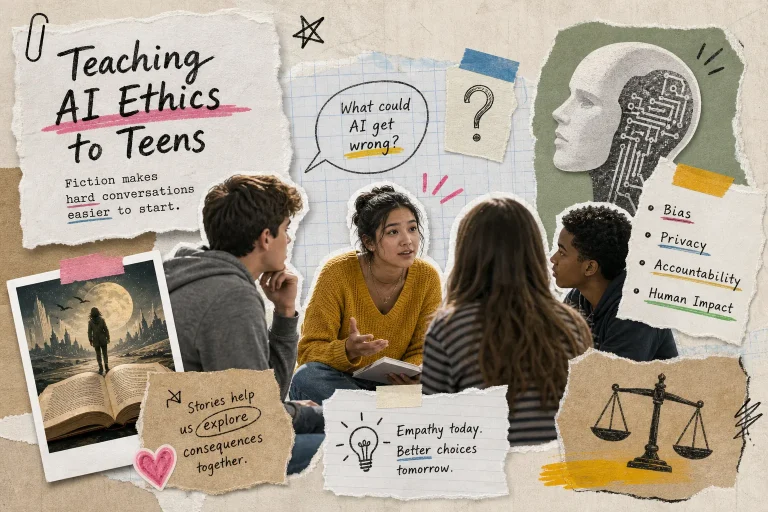
    Teaching AI ethics to teens: why fiction works best

    A few years into teaching, I ran what I thought was a solid AI ethics lesson. I pulled a news article about algorithmic bias in a hiring tool, handed out a structured rubric, and asked students to identify the harm. They did exactly that. They filled in every box. They used words like "disproportionate impact" and "data misrepresentation." And when I asked if anyone had a question, I got silence. Not the productive kind. The kind that tells you nobody in the room actually cared about what they just read.

  • Classroom

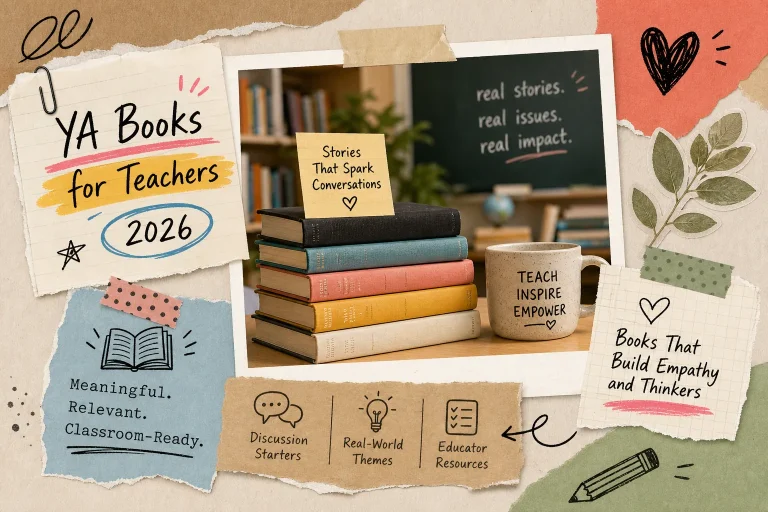
    Best YA Books for Teachers in 2026: Classroom-Ready Picks

    If you're assembling the best YA books for teachers in 2026, you've probably lived this scenario: you spend a weekend reading a YA novel that genuinely grips you, pitch it to your department head on Monday, and then realize mid-conversation that you have no discussion guide, no curricular tie-in, and no answer when someone asks whether it's been challenged at the district level. Great book. Unusable for class. The 2026 release calendar is stacked with highly rated young adult titles, but "highly rated" and "classroom-ready" are two different qualifications entirely.

  • YA Books

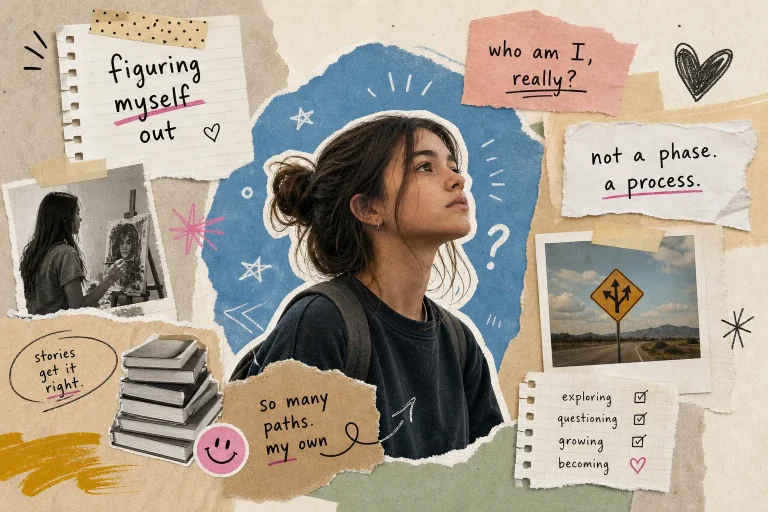
    Teen identity development: what fiction gets exactly right

    Teen identity development shows up in small moments. Ask a teenager why they read the same YA novel twice, and they'll probably shrug. But watch closely, and you'll notice something revealing: the passages they underline the second time are different from the first. Not because the book changed. Because they did. That's not escapism. That's recognition, one of the most powerful forces in adolescent development, and it tells us something important about what teens are actually doing when they disappear into fiction.

  • YA Books

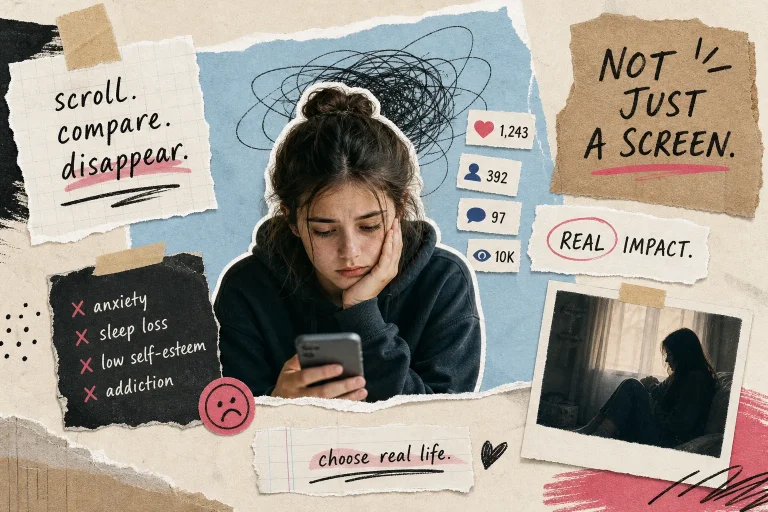
    YA Books That Teach Teens the Real Dangers of Technology

    What YA books help teens understand the dangers of technology? That question matters more than ever. Teens today spend more time online than any generation before them, and nobody hands them a manual for what that actually costs. Parents try. Teachers try. Counselors definitely try. And yet the moment a lecture starts, something behind a teenager's eyes goes quiet in a very particular way. You know the look. But hand that same teen a book with a mystery they can't put down, characters who feel achingly real, and a plot that puts digital danger at the center of the action? That's a completely different conversation.

The archive

Every article, from the first one

View all articles