
If you’re worried about how much time your teen spends online, you’re not alone. And if you’re a teen who feels pulled between wanting to scroll and wanting a break, that can be hard to explain, too.
Books can help open the conversation without turning it into a lecture. The novels below explore different parts of digital life: likes and followers, online identity, public judgment, fandom, and always-on technology. They don’t all depict “social media addiction” directly, and that distinction matters. The American Academy of Pediatrics often uses the term problematic media use for patterns that interfere with everyday life, such as sleep, school, relationships, or activities a young person values. Its Family Media Plan offers ideas for building habits together.
These seven stories can give parents and teens a shared starting point: not “How do we take your phone away?” but “What does being online give you, and what might it be taking?”
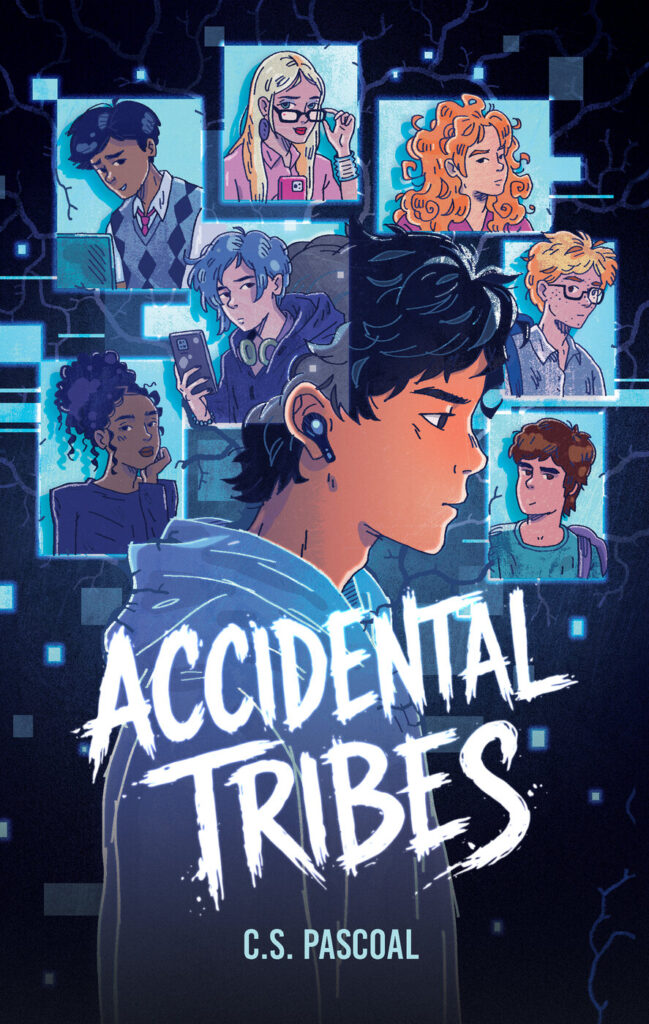
1. Accidental Tribes by C.S. Pascoal
For readers who like a fast-paced mystery, Accidental Tribes follows eight teenagers sent to Experiment 359, a 30-day test in a forgotten classroom called Solitaria. Hacked grades, viral games, AI-generated humiliation, and anonymous accounts are among the digital conflicts that bring them there. As the students begin to uncover school secrets, they also have to decide who they want to be online and off.
The illustrated story is designed for readers ages 13–18. Rather than treating technology as only a problem, it explores both its risks and its possibilities, and asks what teens need beyond a screen: connection, purpose, and a chance to create. Learn more about the novel and find free educator resources.
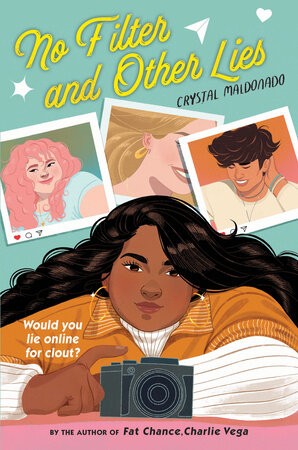
2. No Filter and Other Lies by Crystal Maldonado
Seventeen-year-old Kat creates “Max Monroe,” a glamorous Instagram persona built with someone else’s photos. As Max gains followers and forms a real connection with one of them, Kat has to keep a growing web of lies alive. A viral post threatens to expose the truth.
This novel is a strong choice for talking about curated identity: the polished version of ourselves we present online. It also makes room for questions about validation, honesty, belonging, and how online popularity can shape self-worth. The publisher lists the book for readers ages 14 and up. See the publisher’s book page.
Try asking: What does Kat get from being Max? What does maintaining that identity cost her?
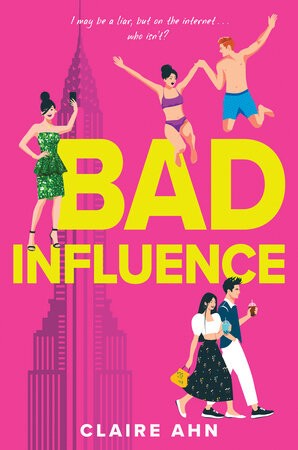
3. Bad Influence by Claire Ahn
Charlotte Goh is a teenager trying to balance family responsibilities with her ambitions as a fashion influencer. When a post about a racist experience at an influencer event goes viral, she gets the attention and sponsorships she wanted, but also faces new pressure to perform and stay true to herself.
Bad Influence looks beyond the screen to the business behind online popularity. Who benefits when a post gets attention? What happens when a person’s identity becomes part of a brand? These are useful questions for teens who enjoy creator culture, and for adults who want to better understand its appeal. The publisher lists the book for ages 12 and up. Explore the publisher’s description.
4. Worthy by Donna Cooner
Imagine an app asking people to vote on whether you’re worthy of dating someone. In Worthy, an app brings that kind of public ranking into high school, where online votes and comments affect Linden’s relationships and confidence.
This is a direct, approachable story about how a digital tool can turn private feelings into public performance. It can help readers consider the power of anonymous feedback, the harm of online bullying, and why a popularity score is not a measure of someone’s value. Scholastic lists the book for readers ages 12 and up. Read the publisher’s book details.
5. Girl Online by Zoe Sugg
Penny writes anonymously about friendship, school, family, and the panic attacks she has started experiencing. When her blog and personal life become more public, she has to navigate what it means to share her feelings online, and what happens when other people can see them.
This is a gentler pick for readers interested in blogging, privacy, and the line between sharing and oversharing. It also gives families a chance to talk about why an online space can feel supportive, and how quickly that space can become stressful. Simon & Schuster’s listing describes it as a story about growing up in a digital world.
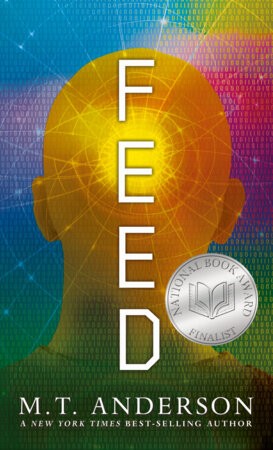
6. Feed by M. T. Anderson
In this dystopian novel, people connect to the internet through implants in their brains. Ads, entertainment, and personalized messages follow them everywhere. When Titus meets Violet, who questions the system, he begins to see the cost of a world built around constant connection and consumption.
Feed was published before today’s social platforms became part of everyday life, but its questions still resonate: What happens when technology is always present? Who shapes what we notice and want? This is a thought-provoking option for older teens who enjoy speculative fiction. The publisher lists it for ages 14 and up. Find the publisher’s edition details.
7. Idol, Burning by Rin Usami
Akari is a high school student devoted to a pop idol. She writes a blog about him and spends hours searching online for information about his life. When allegations against him send social media into a frenzy, she follows every update and shares them with her readers.
This is a more mature, psychologically intense choice about fandom, loneliness, and the pull of an online community. It’s not a conventional YA novel: the publisher classifies it as literary fiction, and its plot includes an allegation of assault. Parents and educators may want to preview it and consider whether it suits their reader. Read the publisher’s description.
How can we read and talk about these books together?
You don’t need to turn reading into a formal lesson. A few honest questions can be enough:
- What does the character enjoy or need from being online?
- When does that experience start to feel different?
- Who benefits from the character’s attention or popularity?
- What helps the character feel connected away from the screen?
- Is there a moment when you would have made a different choice?
Let your teen lead sometimes. If a character makes a mistake, try asking what was happening for them before asking what they should have done. That small shift can move the conversation from judgment to understanding.
A book can’t diagnose a problem or solve it on its own. But it can help you notice what matters. If online habits are regularly disrupting sleep, school, relationships, or well-being, consider talking with your pediatrician and building a family media plan together. The goal isn’t simply fewer hours. It’s making room for the things that help your teen feel well, connected, and in charge of their choices.
If you’re looking for a story that can help start that conversation, explore Accidental Tribes and its free reader and educator resources.