
Bullying can be difficult to talk about, even when everyone agrees it needs to stop. A young person may be coping with harm, watching it happen, or wondering whether something they did crossed a line. Parents and educators may want to help without making a hard situation feel even harder.
Books can give us a little room to think. The right story can help readers see how bullying affects the person targeted, the person causing harm, and the people standing nearby. But understanding someone’s perspective is not the same as excusing their choices. Accountability and empathy can exist together.
These 13 books explore bullying from different angles, including cyberbullying, social pressure, body image, and bystander choices. Some are written for teens; others are middle-grade novels that may suit younger readers. Check the age range and content notes before choosing.

13 books that open up more than one point of view
1. Accidental Tribes by C.S. Pascoal
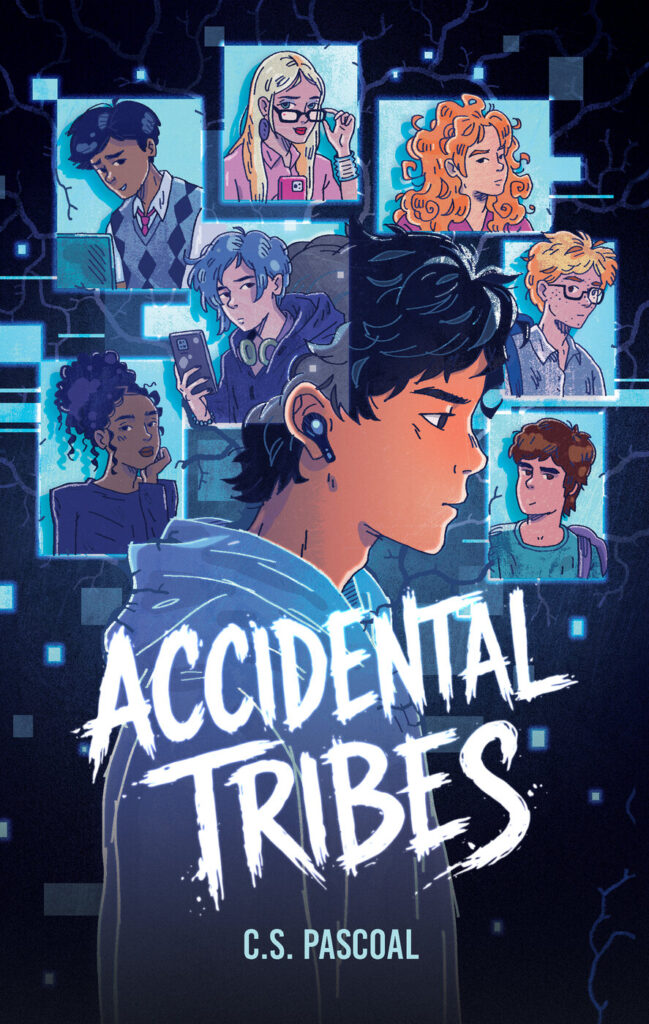
Eight teenagers are sent to a forgotten classroom called Solitaria for a 30-day disciplinary test. As they clash with one another, they uncover school secrets, an unsolved death, and possible cover-ups, while bullying, social status, and digital humiliation run through the story. It is written for readers ages 13–18, and free educator materials are available for classrooms and reading groups.
A good choice for: Readers who want a fast-paced mystery alongside the questions of belonging, accountability, and group pressure.
2. Picture Me by Lori Weber
Explore the book from publisher James Lorimer
A classroom incident draws three girls into a bullying conflict. The story moves among Krista, who is targeted; Tessa, her friend and witness; and Chelsea, who bullies her. Their different home lives and concerns add context to each character without making the harm disappear. Lorimer lists the book for ages 13–17.
A good choice for: Readers who want a direct look at target, bully, and bystander perspectives.
3. Egghead by Caroline Pignat
Read about Egghead in The Canadian Encyclopedia
Will is bullied by Shane, while Katie becomes Will’s friend and Devan takes part in Shane’s cruelty. The book uses the characters’ different voices to show how the same events can feel different to the people involved. It offers an opening to discuss peer pressure and the choices that can either reinforce or challenge a group’s behavior.
A good choice for: Talking about the roles people can play in a school’s bullying culture.
4. Tease by Amanda Maciel
Read the Kirkus review of Tease
Sara tells the story after she and her friends bully Emma, including online. The novel examines Sara’s actions and the social pressures around them, while keeping the impact on Emma in view. It deals with suicide and sustained harassment, so it may be best for older teens and with support available for discussion.
A good choice for: Older readers ready to consider responsibility, peer pressure, and the consequences of bullying.
5. Names Will Never Hurt Me by Jaime Adoff
Four students narrate a day at school: Marvin, Kurt, Tisha, and Ryan. Each has a different place in the school’s social landscape, and their accounts reveal how bullying and tension affect more than the person being directly targeted. Kirkus describes the characters’ voices as distinct and the story as YA fiction.
A good choice for: Readers interested in a multi-narrator story about school status and conflict.
6. Backlash by Sarah Darer Littman
Visit the author’s page for Backlash
When cruel comments about Lara appear on Facebook, the conflict moves between online life and the school community. The story shifts among key characters, including Lara and Bree, her former friend. Those changing viewpoints show how people can interpret the same online events differently, and how quickly public posts can affect real relationships.
A good choice for: Exploring cyberbullying and the ripple effects of online choices.
7. Cloud Busting by Malorie Blackman
Find Cloud Busting through Scholastic
This verse novel is narrated by Sam, a boy who takes part in bullying Davey. Their relationship changes when Sam gets to know him, but friendship does not immediately undo the harm. Sam must face the pressure to fit in and the consequences of his choices.
A good choice for: Younger readers beginning to think about belonging, peer pressure, and speaking up.
8. Blubber by Judy Blume
Visit the publisher’s page for Blubber
When classmates give Linda a hurtful nickname, Jill goes along with the group because she is afraid of becoming a target herself. The bullying shifts as the students’ roles change, creating space to talk about silence, complicity, and what it can cost to stand apart from a crowd.
A good choice for: Discussing bystander behavior with middle-grade readers.
9. Crash by Jerry Spinelli
See Crash at Penguin Random House
Crash Coogan tells this story himself. He is a confident athlete who bullies Penn, a neighbor he sees as an easy target. Because readers experience the story through Crash’s eyes, they can examine his assumptions and how he sees himself. His point of view helps explain his behavior; it does not make that behavior harmless. The publisher lists the book for ages 12 and up.
A good choice for: Readers curious about what a story can reveal by looking “behind the bully.”
10. Scrawl by Mark Shulman
See Scrawl at Penguin Random House
Tod Munn is a bully who has to spend detention writing about himself for a guidance counselor. His account is funny and blunt, but the central question is serious: can he stop playing the role of “bad guy” before it becomes his whole identity? This middle-grade-to-teen crossover is listed for ages 12 and up.
A good choice for: Talking about change, consequences, and the difference between an explanation and an excuse.
11. Face by Benjamin Zephaniah
After an accident changes his appearance, Martin finds that people treat him differently. The story follows how he rebuilds his life and confronts the judgments and prejudice around him. It also asks readers to consider how someone who once made assumptions about others might respond when he experiences rejection himself.
A good choice for: Discussing appearance-based stigma, identity, and empathy.
12. Only Ever Yours by Louise O’Neill
Find Only Ever Yours through Foyles
In this dystopian novel, girls are raised in a system that judges their appearance and obedience. Friends Frieda and Isabel face competition and pressure as their futures are decided for them. The story expands the idea of bullying beyond one person’s cruelty: it looks at how a whole environment can encourage people to police one another.
A good choice for: Older teens interested in dystopian fiction about body image and institutional pressure.
13. The Art of Being Normal by Lisa Williamson
Visit the publisher, David Fickling Books
David is a trans girl who is bullied at school, while Leo wants to stay unnoticed and becomes connected to her story. Their friendship brings questions of identity, secrecy, loyalty, and standing up for someone into focus. As with any story about a group’s lived experience, it can be useful to read alongside books by trans authors, whose perspectives add depth and variety.
A good choice for: Starting a thoughtful discussion about bullying, identity, friendship, and support.
What does “show both sides” mean?
It doesn’t mean every person has been hurt equally, or that responsibility should be split evenly. A story may help readers understand why a character acts a certain way, but the impact of that behavior still matters. Context can inform a response; it cannot erase someone’s experience.
If you’re reading together, try questions that leave room for reflection:
- Who had the power to change what happened?
- What might a witness have done safely?
- What does the person causing harm need to take responsibility for?
- What support would help the targeted person feel heard and safe?
You don’t need to agree on every answer. Listening carefully is a meaningful place to begin.
Whether you choose a story about a bystander, a bully, or a teen navigating harm online, the goal isn’t to find a perfect character. It’s to make room for better questions, and, where possible, better choices.