When something hurtful happens online, it can be hard to know what to say. You may worry that asking questions will make a teen feel exposed, or that a conversation will quickly turn into a lecture about phones and screen time. That hesitation is understandable.
Stories can make the first step easier. A novel lets readers consider online cruelty, rumors, and friendship through characters’ choices, without asking anyone to share a personal experience. These ten books explore cyberbullying and closely related issues such as online gossip, public humiliation, fake identities, and the way digital harm can follow someone into school.
Some are aimed at younger readers, while others are better suited to older teens. Check the age range and content notes before choosing.

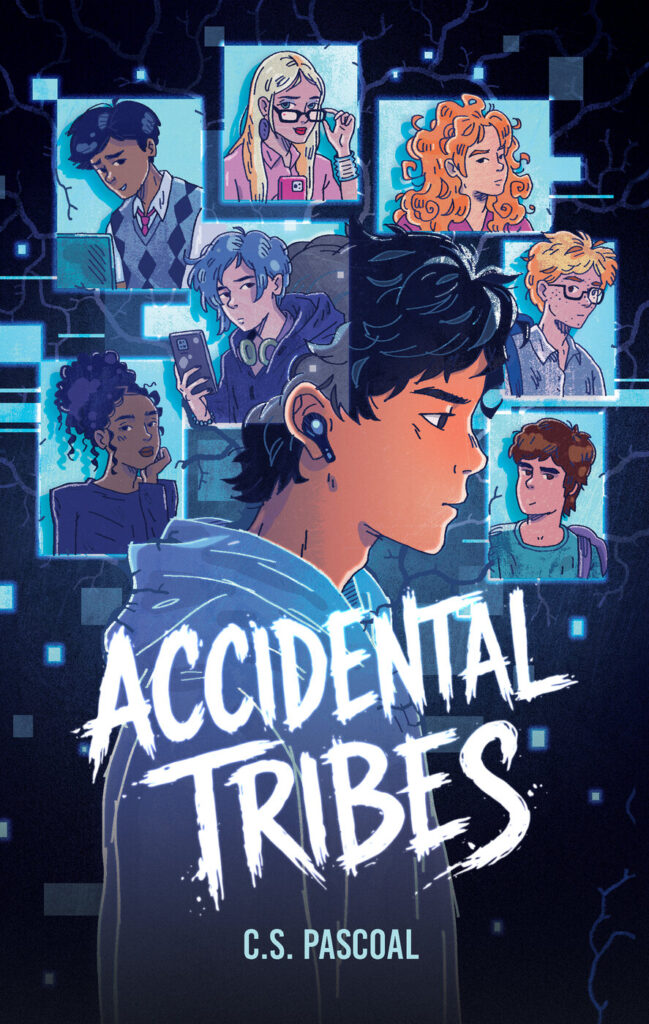
1. Accidental Tribes by C.S. Pascoal
In this illustrated YA mystery for readers ages 13–18, eight teenagers enter a 30-day disciplinary test in a forgotten classroom called Solitaria. Cyberbullying is one part of a wider digital landscape that includes anonymous accounts, AI-generated humiliation, and pressure around social status. The story gives readers room to talk about how online choices connect to identity, belonging, and accountability. Learn about the book or find free educator materials and discussion resources.
2. Take Three Girls by Cath Crowley, Simmone Howell, and Fiona Wood
Three students at an Australian girls’ school find themselves targeted by PSST, a website built around gossip and lies. As Ady, Kate, and Clem face the damage it causes, their friendship becomes a source of strength. The book offers plenty to discuss about school responses, belonging, and the limits of a wellness program when students need real support. Explore the publisher’s page, which also includes teaching notes.
3. Bully.com by Joe Lawlor
Seventh-grader Jun Li is accused of cyberbullying and has a week to find out who is really responsible. His search turns into a school mystery, with suspects and witnesses whose experiences complicate the story. This is a good option for younger teens who like a plot to follow alongside the discussion. See the book at Eerdmans.
4. The Julian Game by Adele Griffin
Raye and Ella create a fake online identity to get close to Ella’s ex, Julian, and then use what they learn to undermine him. Their plan raises questions about online personas, privacy, and the gap between what feels like a joke and what causes real harm. The publisher lists the book for ages 12 and up. Read more from Penguin Random House.
5. The Truth About Truman School by Dori Hillestad Butler
Zebby and Amr start a website where students can tell the truth about their middle school. But anonymity gives some contributors cover to spread cruel rumors about a popular student. Told from multiple perspectives, the story is useful for exploring who is responsible when a post spreads, and what a bystander can do. The author’s page includes teacher and discussion guides.
6. The Popularity Code by Stephanie Faris
Faith becomes fixated on SlamBook, a site where students post positive and negative comments about classmates. When she retaliates, the novel shows how easy it can be to join in, and how quickly that choice can make things worse. The publisher lists it for ages 9–13, so it may suit younger readers or a conversation about how online behavior starts. See the publisher’s description.
7. Reasons to Hate Me by Susan Metallo
Seventeen-year-old Jess is still dealing with cyberbullying over an incident that made her a target at school. Told through blog posts and short scripts, the novel follows her effort to understand what happened and rebuild a damaged friendship. It may be a strong choice for older teens who are ready to discuss how online reputation, accountability, and complicated friendships can overlap. Check the publisher’s page; it lists the book for ages 14 and up.
8. Piglettes by Clémentine Beauvais
After classmates vote them the “ugliest” girls at school on Facebook, Mireille, Astrid, and Hakima set off on a bike trip together. The journey shifts attention from the judgment directed at them to their friendship, humor, and sense of possibility. The publisher describes it as a story of resilience and self-acceptance. Find Piglettes at Pushkin Press.
9. The Burning by Laura Bates
Sixteen-year-old Anna moves to a new community after online slut-shaming in her past. At her new school, rumors and harassment surface again, connecting digital cruelty with sexism and the way girls are treated in public and private. This is a pick for older teens: the book addresses sexual harassment and public shaming. Read the review and age guidance from Publishers Weekly.
10. Backlash by Sarah Darer Littman
Lara believes an online connection may turn into a romance, but it becomes a public attack instead. The novel follows the effects as online humiliation spills into her offline life. It includes depression and a suicidal crisis, so consider whether it’s a suitable choice for the reader and setting. See the publisher’s page.
How can you turn a book into a real conversation?
You don’t need to turn reading into a lesson. Start with one open question, then give the teen space to answer, or not.
- What did the characters want when they posted or shared something?
- When did the situation shift from gossip to harm?
- Who had a chance to help? What might have made that hard?
- What could a friend, family member, teacher, or platform have done differently?
Try asking what the teen thinks about the character before asking whether they have experienced anything similar. That small distinction can help a reader feel invited rather than questioned. And if a teen does share something personal, listen first. You can figure out next steps together.
If the book brings up a real concern, remind the teen that they don’t have to handle it alone. A trusted adult or school support person can help think through what to do. For a practical guide to reading about bullying and cyberbullying, PACER’s book list includes titles for teens, including Words Wound by Justin W. Patchin and Sameer Hinduja.
Stories can’t solve every problem, but they can offer a place to begin: a character’s choice, a difficult question, or a conversation that feels a little easier to start. For more ideas to support reading and discussion, explore Accidental Tribes‘ free educator resources.