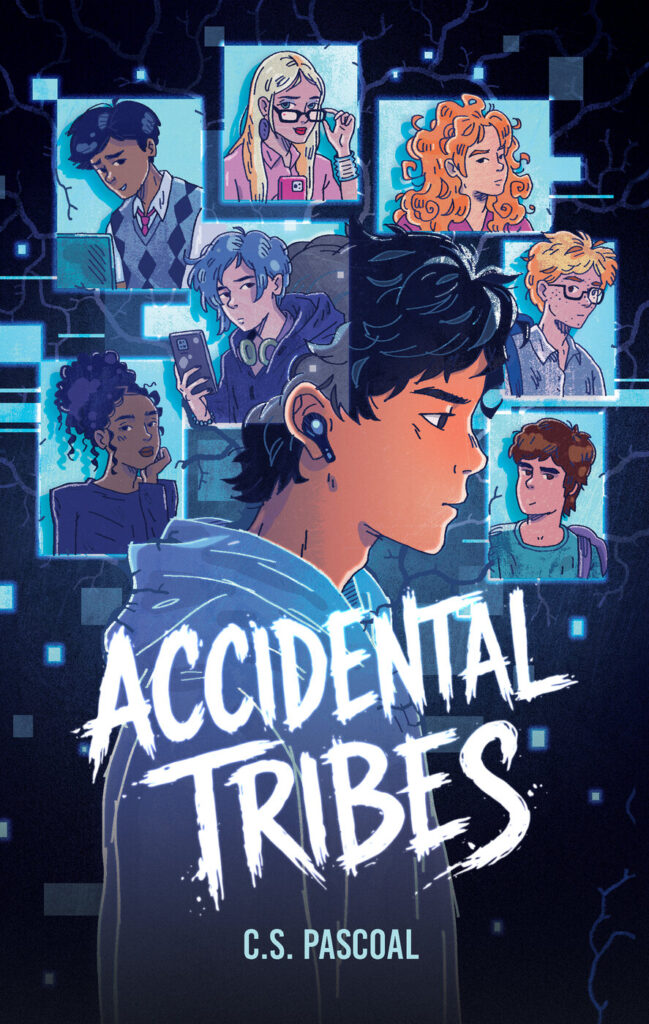
Illustrations in a young adult novel can do more than decorate a page. They can help set a mood, make characters feel immediate, and give readers another way into a story’s questions.
That mix of words and images is drawing fresh attention in publishing. At the 2026 Bologna Children’s Book Fair, Publishers Weekly reported that agents and rights directors were hearing interest from more territories in graphic novels and heavily illustrated books. Some described demand for illustration used creatively within stories, not only in traditional comics. This is a report of conversations and market signals, not a global sales study, but it points to a notable shift: publishers are paying attention to visual storytelling across formats.
For teen readers, that conversation matters. A book can be absorbing and visually rich without asking readers to choose between images and text. In this first installment of our “Art of the Book” series, we’re looking at how illustration can shape a YA mystery, and how C.S. Pascoal’s Accidental Tribes uses art to bring its world and characters into focus.
Why do illustrations appeal to teen readers?
There’s no single reason a reader chooses one book over another. But when a novel pairs text with expressive artwork, it offers more than one way to enter the story.
An illustration can establish a character’s expression, a setting’s atmosphere, or the feeling of a moment before a reader has formed a detailed mental picture. That can be helpful if a long stretch of text feels daunting. It can also invite a different kind of attention: readers may pause to look closely, notice visual details, and compare what they see with what they’ve imagined.
This doesn’t make illustrated fiction “less reading.” Words still carry plot, voice, and meaning. Images add another layer to interpret. And not every reader wants illustrations in a novel; some prefer to picture every detail for themselves. The point is choice: visual storytelling can offer a welcoming route into a book without lowering its emotional or intellectual stakes.
Research offers some encouraging, but carefully limited, evidence. In a small study of six young readers aged 11 to 14, researcher Jen Aggleton compared responses to illustrated and non-illustrated editions of A Monster Calls. The readers with illustrated copies engaged more deeply and critically with the text and more often connected it to their own lives. The study was small, so it can’t show that illustrations will have the same effect for every reader. It does suggest that art can prompt reflection rather than simply spell everything out.
That distinction matters when we talk about reluctant readers, too. Illustrated fiction isn’t a magic fix, and it isn’t a shortcut around reading. But when pictures help a reader feel oriented, curious, or connected to a character, they can make it easier to keep turning pages. The story still asks readers to follow what happens and decide what it means.
What can art add to a mystery?
A mystery is built on uncertainty. Readers gather clues, question what they’ve been told, and look for what may be missing. Art can support that experience by shaping atmosphere and directing attention, but it doesn’t have to reveal the answer.
Color, expression, perspective, and setting can suggest that a scene feels tense or unsettled. A character’s posture may make you wonder what they’re holding back. A shadowed corridor can make a familiar school feel newly strange. These are not clues with only one correct interpretation; they’re invitations to look again and make connections.
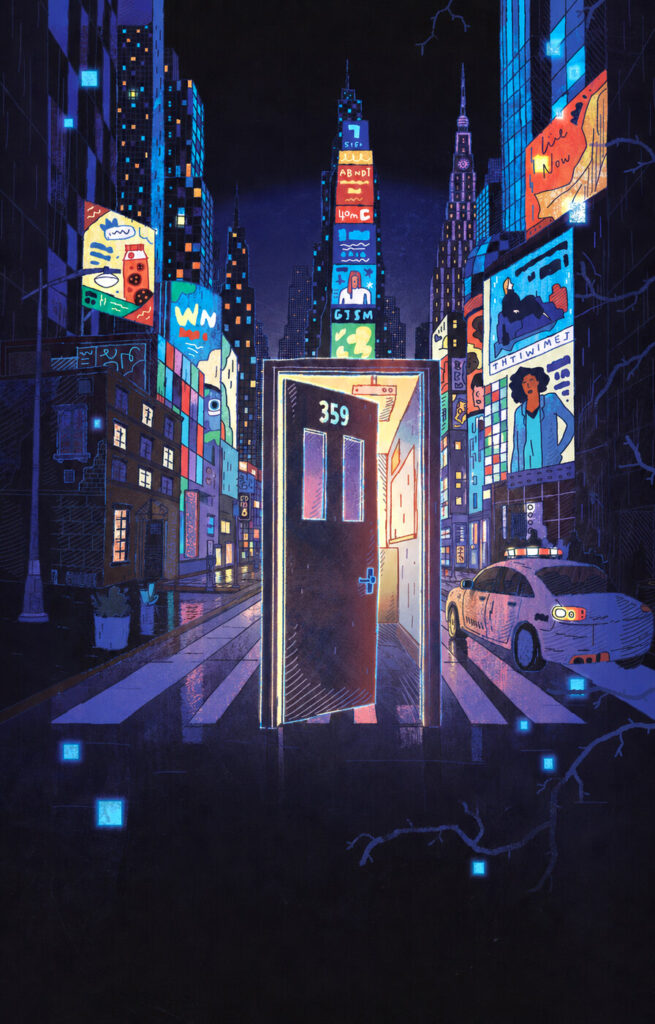
In Accidental Tribes, eight teenagers are sent to Solitaria, a forgotten classroom, for Experiment 359: a 30-day disciplinary test meant to prove they can change. They arrive with their own conflicts and reasons not to trust one another. Then they begin uncovering a trail involving an unsolved death and secrets the school would rather keep buried.
The visual style helps give that premise a distinct mood. The story moves between a school setting and the digital pressures in the teens’ lives: hacked grades, anonymous accounts, and AI-generated humiliation among them. A visually expressive world can make those themes feel close to the characters, rather than like abstract issues discussed from a distance.
One more thing worth saying plainly: every illustration in Accidental Tribes was created by hand. No AI was used to make the artwork. In a story that asks what happens when AI-generated images get used against people, that choice isn’t decoration — it’s part of the book’s values. Human artists made this art, with all the intention, craft, and small imperfections that come with it.
How does Accidental Tribes use art to introduce its characters?
Eight central characters can be a lot to hold in your head at once, especially when they begin as strangers or adversaries. Individual illustrations give readers a first impression of each teen before the story has revealed everything about them.
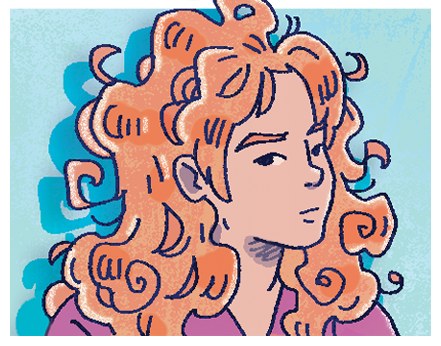
A portrait isn’t a complete biography. It’s a starting point. As the plot develops, readers can revisit that first impression and decide whether it still fits. What does a guarded expression make you assume? What details catch your eye? Do those assumptions change as you learn more?
That small act of reconsideration echoes the bigger work the characters face: seeing one another as people, not just as labels or reputations. The book’s illustrations support a story about outsiders learning to look beyond the version of someone that first appears on the surface.

Why does visual mood matter in a story about digital life?
For many teens, online life isn’t separate from everyday life. A post, message, or fake image can affect how someone feels at school, how they see themselves, and how others treat them. Accidental Tribes brings those digital realities into a fast-moving mystery.
Art can help connect the visible world of a story (faces, rooms, screens, and expressions) to its less visible tensions: pressure, isolation, suspicion, and belonging. That’s especially useful in a mystery, where what a character shows may not be the whole story. A visual impression can draw you in, while the words and events give you reason to question it.
The illustrations don’t replace the reader’s imagination. They add another perspective to weigh against it. A reader may picture a character one way, then notice an artist’s choices and reconsider. That moment of comparison is part of the fun: what did you notice, and what might you have missed?
A visual invitation into a bigger conversation
A book’s art can be a pleasure in itself. It can also open a conversation about how we read images and make judgments: a useful starting point for talking about online identity, digital media, and the assumptions we form about other people.
For teachers and librarians, a simple discussion prompt can make that connection tangible: What did the illustration lead you to expect about this character or scene? Did the story confirm that first impression, or change it? There isn’t one right answer. The conversation is a chance to practice observation, inference, and listening to different interpretations.
That kind of discussion fits Accidental Tribes, a mystery about eight teens whose first impressions of one another don’t tell the whole story. For classroom use, the book’s free educator materials offer additional ways to explore themes including digital citizenship, identity, media literacy, and belonging.
The interest reported at Bologna is a reminder that illustrated storytelling is being taken seriously across children’s and teen publishing. And for readers, the value is simple: words and images can work together to make a story more vivid, more inviting, and full of details worth a second look.
Accidental Tribes pairs expressive illustrations with a high-stakes YA mystery about eight teens in Experiment 359. If you’d like to explore the story, you can read more about the book or find a retailer.