A student sees a fake image of themselves in a group chat. It looks convincing. Their name is attached. The post is spreading before they know who made it, or what to do next.
For parents, teachers, and librarians, that situation can feel difficult to prepare for. Deepfake tools are changing quickly, the rules vary from place to place, and a young person who reports an image may already be worried about being blamed or not believed.
The first thing to know: an image doesn’t have to be real to cause real harm. And a helpful response starts with supporting the person targeted, not asking them to prove they deserve support.
What does “deepfake bullying” mean?
A deepfake is an image, video, or audio clip made or altered with artificial intelligence to make it appear that someone did or said something they didn’t. Some are designed to deceive. Others are presented as jokes or memes. When a fake is used to humiliate, threaten, harass, or damage someone’s reputation, it can become part of a bullying or harassment incident.
The technology is new. Many of the harms are not. Education Week’s reporting on AI deepfakes and school bullying describes incidents involving students’ likenesses and fake audio attributed to school staff. Its 2026 coverage of school responses highlights how quickly manipulated content can spread, while schools work out how to respond and support those affected.
A RAND report on deepfakes in K–12 schools found that 13% of principals surveyed reported at least one bullying incident involving AI-generated deepfakes during the 2023–24 or 2024–25 school years. The figure was higher for middle and high schools. The survey is not a complete count of incidents nationwide, but it signals that this is not a far-off concern for many school communities.
Why can a fake feel so serious?
A deepfake can put a real person’s face, voice, or name into a fabricated scene. The targeted student may feel exposed or unsafe even when they know the material is false. Friends may be unsure what to believe. Others may share it “just to ask if it’s real,” unintentionally helping it reach a wider audience.
The image may be fake; the social consequences are not. Students may worry about what classmates, family, or future schools will think. They may also fear that adults will focus on their online choices instead of the person who created or shared the material.
That’s why a response should begin with care and clarity: I’m glad you told me. You don’t have to handle this alone. We’ll work out the next step together.
What should you do if a student reports a deepfake?
There is no single response for every situation. The content, the student’s age, the school’s policies, and local law all matter. These steps can help adults respond without increasing the harm.
1. Listen, and make clear the student isn’t to blame
Thank the student for telling you. Avoid questions that sound like an accusation, such as “Why were you in that picture?” or “Are you sure it’s fake?” You can ask what they need right now and whether they feel safe at school or online.
If the student is in immediate danger, or the material includes threats, involve the appropriate school safeguarding lead, emergency services, or other local support as needed.
2. Don’t forward or repost the material
A common impulse is to send the image to another adult as proof. Resist that impulse, especially if it is sexually explicit or involves a minor. Don’t ask the student to send it to you, and don’t show it to others “so they understand.” More copies can mean more exposure and distress.
Instead, follow your school or district’s reporting and evidence-handling procedures. Where appropriate, record details such as the account name, platform, URL, date, and time, without circulating the image itself. If you’re unsure how to preserve information safely, ask the designated administrator or safeguarding professional.
3. Report it through established channels
Tell the school’s designated administrator, bullying contact, counselor, or Title IX coordinator, as relevant to local policy. Report the content to the platform, too. If the image is sexually explicit, involves a minor, or includes coercion or threats, seek guidance promptly from appropriate school officials and law enforcement. The right steps depend on the circumstances and local requirements.
The Take It Down Act, signed in 2025, addresses certain nonconsensual intimate images, including AI-generated material, and requires covered platforms to remove qualifying content after a valid request. It does not cover every kind of deepfake or bullying. State laws and school policies differ, so families and educators should check local guidance rather than assume one rule applies everywhere.
4. Keep checking in after the first report
Removing a post or disciplining a student may not settle the impact. Ask the targeted student what would help them feel supported in class, online, and among peers. That could mean a trusted adult check-in, a plan to address unwanted contact, or help accessing counseling. Keep the student’s privacy in mind when communicating with others.
What can schools and families do before an incident?
Policies matter, but a rule is most useful when students know what it means and how to get help. Education Week’s reporting on how schools are updating deepfake policies points to the value of clear definitions, reporting routes, consequences, and support for people targeted.
Schools can help by:
- Naming AI-generated and altered images in bullying and acceptable-use policies.
- Telling students which adults they can approach and what will happen after a report.
- Preparing staff to respond calmly, protect privacy, and follow evidence-handling procedures.
- Teaching media literacy: how images can be manipulated, why “it looks real” is not proof, and why sharing a fake can still cause harm.
- Explaining that making, requesting, or forwarding harmful material can have serious school and legal consequences, depending on the circumstances and local law.
At home, you don’t need to be an AI expert to start a conversation. Try asking: If you saw a fake image of someone at school, what would make it easier to report? Or: What would you want an adult to say if you were the person targeted? These questions focus on choices and support, not blame.
How can fiction help us talk about digital harm?
Some conversations are easier to begin through a story than through a warning. Fiction gives readers room to consider what characters might do, how a group’s choices shape an incident, and what support could look like, without asking anyone to share a personal experience.
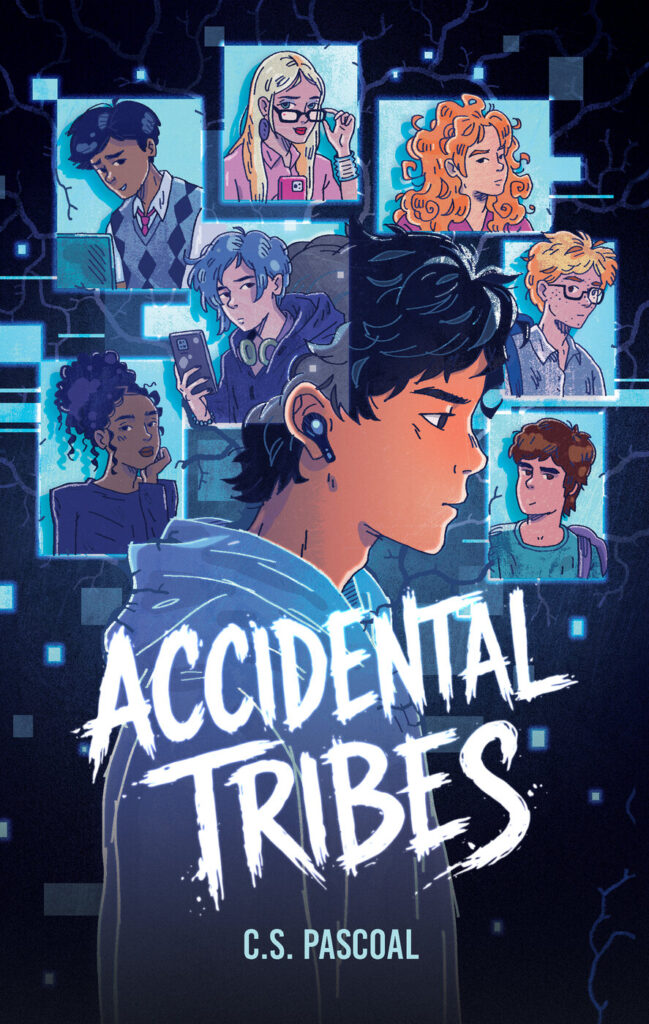
In C.S. Pascoal’s illustrated YA mystery, Accidental Tribes, eight teenagers enter a 30-day disciplinary test called Experiment 359 in a forgotten classroom, Solitaria. Their world includes hacked grades, AI-generated humiliation, and anonymous accounts. The mystery asks who is behind the harm, but the wider questions matter too: Who gets believed? What does it mean to share something harmful? How can people move from watching to helping?
For teachers, librarians, and families, these questions can open a thoughtful discussion about digital citizenship, identity, peer pressure, and responsibility. The book is not a substitute for school procedures or professional support. It can, however, give a group shared language for talking about difficult choices.
A practical next step for your school or family
Deepfakes make it easier to create convincing fakes. They don’t make the choices around them inevitable. Adults can set a clear expectation (don’t create or circulate humiliating content) and pair it with a clear promise: if a student reports harm, they will be treated with respect and helped through the next steps.
If you’re looking for a classroom starting point, Accidental Tribes offers free educator guides and discussion resources for grades 6–12, including questions and writing prompts connected to students’ digital lives. Use them to begin a conversation about what responsible choices look like, and how a community can support someone when those choices fail.