If you’ve ever wondered why a story about friends finding their way through a difficult situation can feel more real than a story built around a crush, new research offers a clue: many young audiences want to see friendship take center stage.
UCLA’s Center for Scholars & Storytellers released its latest Teens & Screens report on October 21, 2026. Its findings don’t mean teens dislike romance, or that every reader wants the same kind of story. They do suggest that close, believable friendships deserve more room in the stories we share with young people.
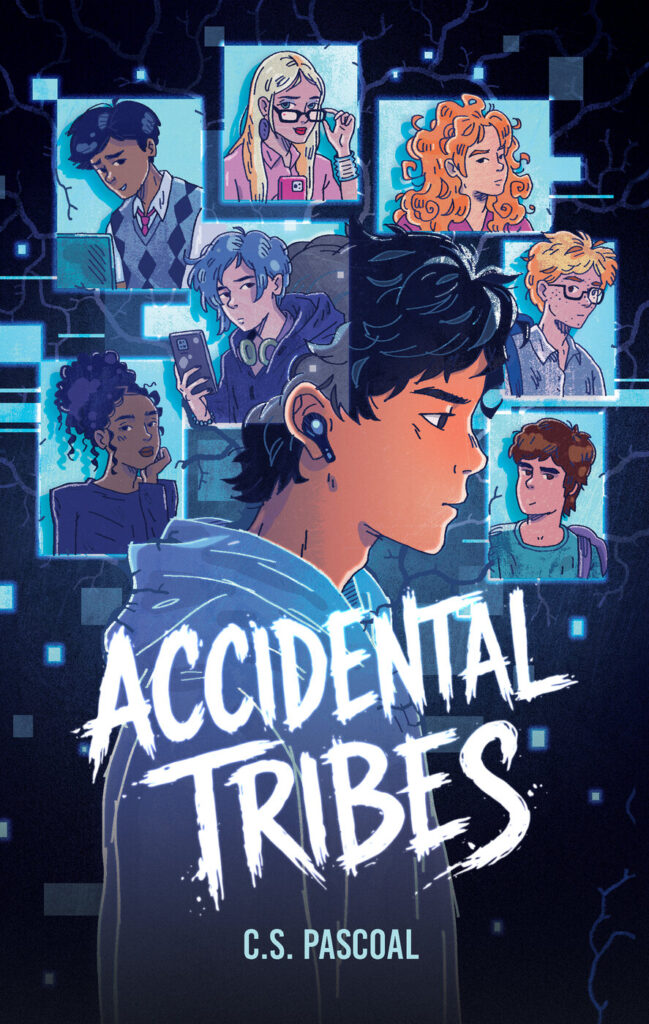
That idea is at the heart of Accidental Tribes: eight teenagers, one forgotten classroom called Solitaria, and a mystery they can’t solve alone.
What did UCLA’s new report find?
The fifth annual Teens & Screens study surveyed more than 1,500 young people ages 10–24 about media, including television, movies, video games, AI and social media. When asked what they wanted to see in TV shows and movies, respondents put hopeful, uplifting stories first, friendships and social groups second, and people with lives like their own third.
The report also found that 57.3% wanted more representation of platonic relationships. More than half, 56.8%, wanted characters in different-gender relationships to prioritize friendship rather than have that connection automatically become romantic. And 52% felt romantic relationships are more central to fictional characters’ lives than to people’s real lives.
Those findings describe preferences among the surveyed group, not a universal rule for every teen or every book. But they point to something worth noticing: friendship isn’t just a side plot. For many young viewers, it’s a story they want to see more often.
You can read UCLA’s summary of the 2026 report for the full context.
Why can friendship be such a powerful story engine?
Romance can bring excitement, vulnerability and change to a story. Friendship can do those things too, but it can also show how people build trust when there’s no guarantee they’ll be understood, liked or rewarded for it.
Think about a group project where nobody chose their teammates. One person takes charge. Another holds back. Someone else makes a joke when the tension gets uncomfortable. At first, they may see one another as problems to manage. Then a difficult decision forces them to listen. The relationship shifts, not because a character falls in love, but because they begin to see another person more clearly.
That kind of change gives readers plenty to care about: Who will speak up? Who can be trusted? What does someone owe a group, and what do they owe themselves? In a mystery, those questions can also affect whether the characters uncover the truth.

In Accidental Tribes, connection grows under pressure
In Accidental Tribes, eight defiant teenagers are placed in Experiment 359, a 30-day disciplinary test in Solitaria, a classroom most people have forgotten. They don’t begin as a ready-made team. Some are enemies; all arrive with different pressures, histories and reasons to distrust one another.
That matters. A believable group doesn’t have to agree or instantly become close. Its bonds can form through small, earned moments: sharing information, noticing when someone is struggling, taking responsibility after a mistake, or choosing not to leave another person alone with a problem.
The mystery gives the teens a reason to work together. Their growing connections give the reader a reason to hope they will. The story’s emotional movement comes not from a required romance, but from people who initially see one another as labels becoming harder to dismiss.

Why might friendship-first stories resonate with teen readers?
Teenagers are often navigating several versions of belonging at once: friendship groups, family expectations, school identities and online spaces. A story about friendship can explore those pressures without suggesting that one relationship must become romantic to matter.
It can also make room for different forms of care. Friends can challenge one another, respect boundaries, share a laugh, or show up in an awkward, imperfect way. They can disagree and still choose to take one another seriously. That feels especially meaningful when characters are dealing with conflict, grief, digital pressure or a secret they can’t solve alone.
For a teen reader, a friendship-first story might offer recognition: I know what it feels like to want people to understand me. For a parent or educator, it may open a conversation about what trust looks like, or how a group can include someone without asking them to become someone else.
The point isn’t that romance should disappear from YA. It’s that romance isn’t the only relationship worth building a story around.
What does the report say about AI, and what doesn’t it say?
The report also explored young people’s views of AI in stories. Overall, 41.3% said AI can tell a story, ranking it sixth among eight types of media. Feelings about fictional portrayals of AI varied: 28.2% said they felt fascinated and 25.6% excited, while 22% felt doomed and 10.1% scared.
There were age differences, too. Among respondents ages 10–13, 44.2% described programs about AI as fascinating; fewer than 10% used words like “doom.” Among respondents age 19 and up, “doom” was the most common response at 27.4%, while 17.7% felt excited.
That’s a more specific finding than saying all teens are becoming wary of AI. It reflects reported reactions to AI as portrayed in stories, among different age groups in a survey spanning ages 10–24. Still, it’s a useful reminder that young people aren’t simply one audience with one reaction to technology. Their perspectives vary, and stories can make space for those differences.
In Accidental Tribes, AI-generated humiliation and other digital realities form part of the wider mystery. But technology doesn’t replace the human story. The characters still have to decide what to believe, whom to trust, and how to respond to the people around them.
A few questions to bring to a book discussion
Whether you’re reading for yourself, with a family member or with a class, friendship-first stories can give you useful starting points:
- When do the characters first begin to rely on one another?
- What changes when someone is treated as more than a label or reputation?
- Can friends disagree and still build trust? What makes that possible?
- How do digital rumors, images or messages affect the group’s relationships?
- Which moments of connection feel earned, and why?
There doesn’t have to be one right answer. The value is in noticing what the story invites you to consider about belonging, trust and choice.
Parents and educators looking for more support can explore the free Accidental Tribes educator materials and discussion resources. The book follows eight teens through a fast-paced mystery, while giving readers a starting point for conversations about friendship, identity and life in a digital world.
Friendship can be the heart of the mystery
UCLA’s new findings are a reminder that many young people want stories that feel hopeful, relatable and connected to the relationships in their lives. Friendship can carry high stakes, real change and emotional depth. It can be the reason characters keep going, and the reason they finally see one another differently.
In Solitaria, eight teens arrive with reasons to stay apart. What happens next depends on what they learn about each other, and what they choose to do together.
If you’d like to meet the group, you can learn more about Accidental Tribes or explore the resources for readers, parents and educators.
Research source: UCLA Newsroom: Annual Teens and Screens report reveals young audiences are redefining modern storytelling.