When adults talk about teens and technology, the conversation can quickly turn into a debate about screen limits, school rules, or whether AI is good or bad. But what do teens say about their own lives?
A new BBC survey offers a useful snapshot. It found that 55% of teens surveyed spend at least four hours a day on their phones, and 51% have used AI for homework or coursework. Those figures don’t tell us everything about young people’s experiences, but they do give parents, educators, and teens a place to start a more curious conversation.
The survey was conducted online by Survation for BBC Bitesize and BBC Radio 5 Live. It included 2,087 UK teenagers aged 13 to 18, surveyed between July 2 and July 17, 2026. The BBC’s Teen Summit survey overview and survey announcement share the full context.
What did the survey find about phones and AI?
Phone use: 55% of respondents said they spend four or more hours a day on their phones. The BBC also reported that 74% spend more than three hours a day on them.
AI and schoolwork: 51% said they have used AI specifically for homework or coursework, up from 29% in 2023. The survey also found that 60% use generative AI overall.
Online life: 53% said bullying is common in their school or college, both online and face-to-face, according to the BBC’s summary. More than half reported seeing racist content on social media (57%) or sexist content (55%).
These are self-reported responses from teenagers in the UK, not a measure of every teen’s experience. They also don’t tell us whether time on a phone was spent studying, talking with friends, creating something, or scrolling. The number matters, but the story behind the number matters too.
Why do the numbers matter beyond screen time?
Four hours can sound like a lot. It may prompt a parent to wonder whether their teen needs a stricter limit, or leave a teen feeling judged before they can explain what’s happening.
A more useful first question might be: What is the phone doing for you, and what might it be getting in the way of?
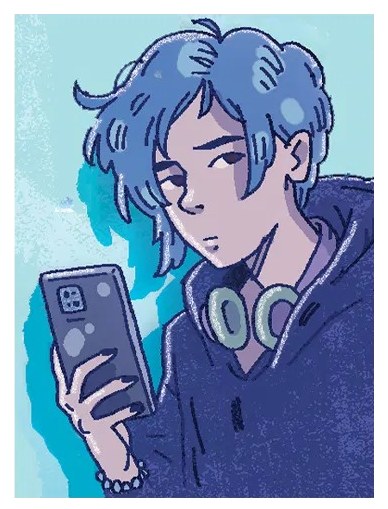
For one teen, it may be a lifeline to friends. For another, it may be where they discover music, learn a skill, or unwind after school. It can also make it harder to sleep, concentrate, or step away from an upsetting group chat. The same device can offer connection and create pressure.
There’s no single screen-time number that explains all of this. Instead of treating the survey as a verdict on teens, we can use it as an invitation to ask what their online hours actually look and feel like.
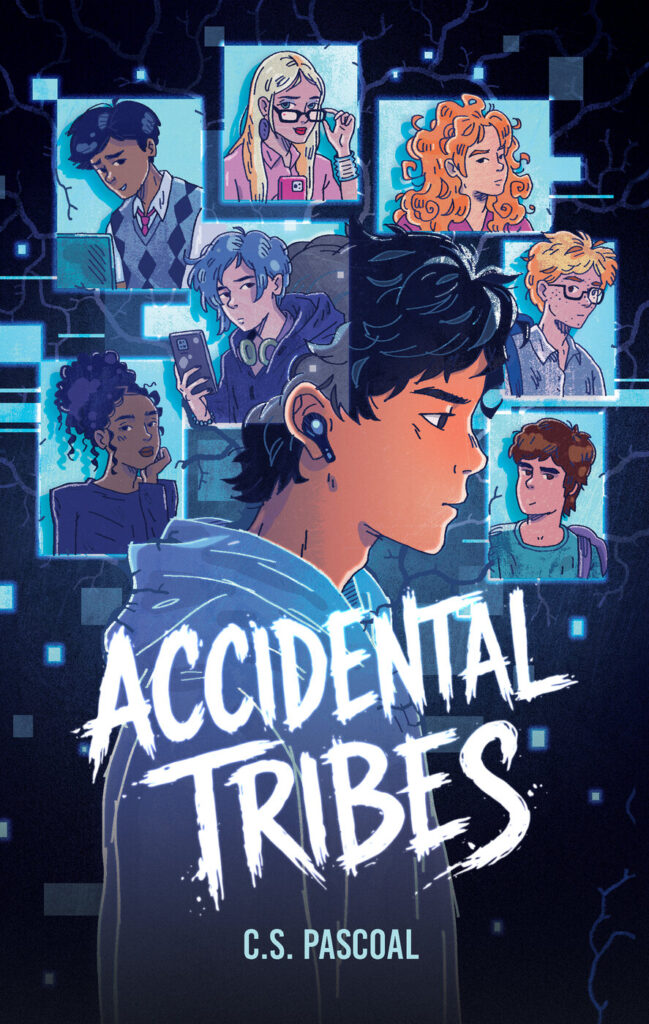
That’s one reason the experiences in Accidental Tribes may feel familiar to young readers. The novel follows eight teenagers placed in a 30-day disciplinary test called Experiment 359, inside a forgotten classroom named Solitaria. The group has to navigate hacked grades, anonymous accounts, social pressure, and AI-generated humiliation, while trying to work out what is true and who can be trusted.
The story doesn’t suggest that technology is only a threat. It asks what happens when technology shapes friendships, reputations, and choices, and how young people can make decisions inside that reality.
What does teen AI use mean for homework?
The survey’s 51% figure doesn’t mean every teen is using AI in the same way. Some may use it to get an explanation of a difficult topic; others may ask it to summarize, brainstorm, or produce work. The distinction matters.
AI can give a student a starting point, but a fluent answer isn’t necessarily an accurate one. The BBC notes that AI can make mistakes and recommends using it critically. A good habit is to treat the tool as a study partner, not an authority:
- Ask it to explain, not just answer. Try prompts such as, “Explain this concept in simpler language,” or “What questions should I ask about this topic?”
- Check important claims. Look for reliable sources and confirm that the details match.
- Keep your own thinking in the work. A useful explanation should help you form your answer, not replace your understanding.
- Follow your school’s rules. Expectations for AI use can differ between classes and assignments.
Parents and educators can help by asking teens to describe how they used a tool, rather than assuming the worst or treating every use as cheating. “What did AI help you do, and what did you check yourself?” can open a more productive conversation than “Did you use AI?”
For more classroom ideas, see our guide to books that help high schoolers think critically about AI.
How can we talk about online pressure without blaming teens?
The survey’s findings about bullying and harmful content are a reminder that online experiences don’t stay neatly on a screen. A cruel post, fake image, or rumor can affect someone’s friendships and sense of safety at school.
When a young person shares something upsetting, start by listening. They may need help deciding whether to save evidence, block an account, report content, talk to a trusted adult, or ask the school for support. The best next step depends on what happened and what the young person wants or needs.
It can also help to ask questions that support judgment and agency:
- What do you know about where this post or image came from?
- Who might be affected if it is shared again?
- What would help you feel safer right now?
- Is there someone you trust who should know about this?
These questions don’t make teens responsible for preventing every harm online. They give teens and adults a way to think together about what’s happening and what support is available.

What can Experiment 359 help us discuss?
In Accidental Tribes, the teenagers enter Solitaria with different reputations and reasons for being there. As they encounter online humiliation and confusing school secrets, they have to decide what evidence to trust, how to treat one another, and whether to accept the version of events they are given.
Those are useful discussion questions beyond the novel:
- How can you check whether a picture, video, or claim is real?
- What should someone do before sharing a post that could harm another person?
- When an online mistake has real consequences, what should accountability look like?
- How can a school support students while still taking harm seriously?
The questions aren’t only for a classroom. A parent might use one during a car ride; a teacher or librarian might invite students to compare different characters’ choices. The point isn’t to arrive at one perfect answer. It’s to make room for teens to examine the systems and pressures they’re navigating.

One survey, many conversations
The BBC survey reports that 67% of respondents enjoy school or college, while teens also identified areas where they want more support, including work experience, financial guidance, and help applying for jobs. The picture is not simply one of young people struggling with their phones or relying on AI. It includes students who are engaged, concerned, curious, and thinking about the future.
That complexity is worth holding onto. Teens are not just screen-time statistics. They’re making decisions about learning, friendship, identity, and trust in a world that changes quickly.
For parents and educators, a practical next step is to ask one question and listen to the answer: What’s one thing about being online or using AI that adults often misunderstand? For teens, it can be just as useful to ask an adult what they worry about, and what they don’t yet understand.
Accidental Tribes brings these questions into a fast-paced illustrated mystery for readers ages 13–18. If you’d like to explore the book’s digital-life themes together, you can find free educator materials and discussion resources, or learn more about Accidental Tribes.