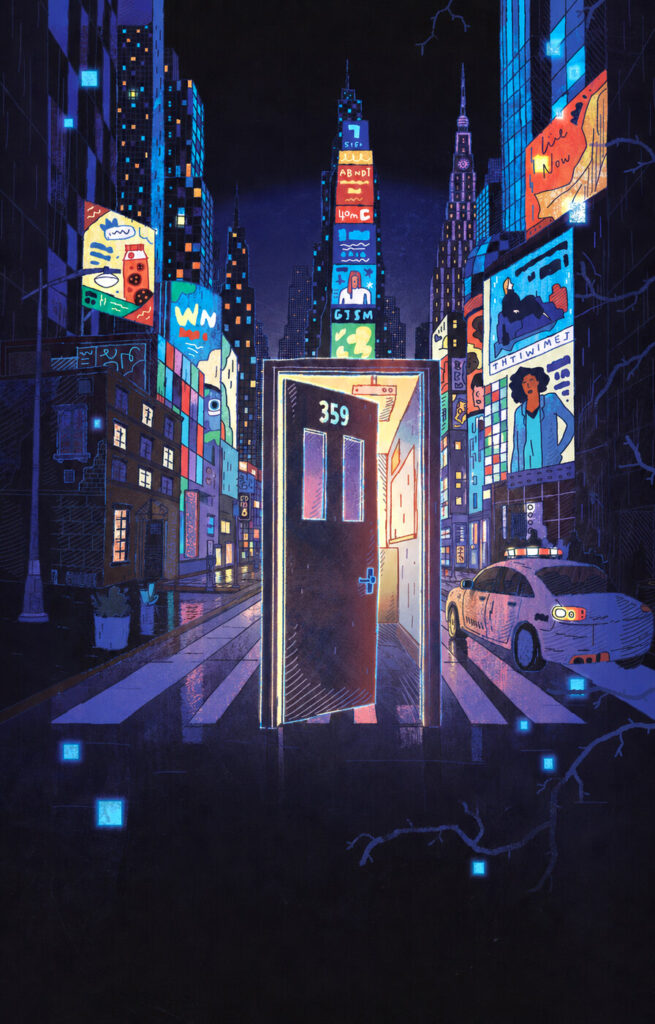
When the rules feel confusing, or the people in charge seem unwilling to explain them, it’s natural to want answers. Teens know that feeling, whether they’re dealing with school policies, online platforms, or the pressure to follow a crowd. YA dystopia gives those questions a high-stakes setting: What if the system isn’t just imperfect, but actively hiding the truth?
That question is helping bring dystopian fiction back into the conversation. In a September 2026 report titled “YA Dystopia Is So Back,” Publishers Weekly described a new wave of young adult novels exploring autonomy, propaganda, conformity, and the rewriting of history. Earlier in the year, agents and rights directors at the Bologna Children’s Book Fair also pointed to renewed interest in dystopia and speculative fiction within YA.
That’s meaningful industry reporting, but it isn’t proof that every teen is looking for the same kind of story. What it does suggest is that dystopia is once again giving writers and readers a vivid way to explore questions that feel close to home.
What’s drawing readers back to dystopia?
Dystopian fiction imagines a society shaped by injustice, surveillance, scarcity, or concentrated power. The setting may be far-future, fantastical, or just a few steps removed from everyday life. But the story’s central concerns are often familiar: Who makes the rules? Who benefits? What happens when people challenge them?
In Publishers Weekly’s reporting, authors described stories involving oppressive governments, propaganda, stolen histories, and pressure to conform. These aren’t simply plots about escaping danger. They’re about learning how that danger was created, and deciding what to do with the truth.
That distinction matters. A teenager reading about a character who questions an official story isn’t being handed a simple answer about real life. They’re being invited to notice how power works, consider whose perspective is missing, and ask what evidence would change their mind.
Why do stories about systems and cover-ups resonate?
A good dystopian story makes an abstract idea concrete. “Institutional power” can sound like a civics lesson; a character discovering that the people in charge have falsified records gives that idea a face, a risk, and a reason to keep reading.
The same goes for misinformation. In the PW article, author S. K. Ali connects the preservation of history and records with the need to protect reality in an era of deepfakes. That theme gives readers a useful question to carry beyond the page: How do we know what’s true, and who do we trust to tell us?
Dystopia can also make room for hope without pretending that change is easy. Characters may find courage in solidarity, community, and the choice to question what everyone else accepts. That doesn’t mean every system is secretly sinister. It means a story can help us practice asking thoughtful questions before deciding what we believe.
A school can be its own kind of pressure cooker
Not every story about a broken system needs a totalitarian government or a ruined future. Sometimes the familiar structures of school (rules, reputation, discipline, authority) are enough to put big questions under a spotlight.
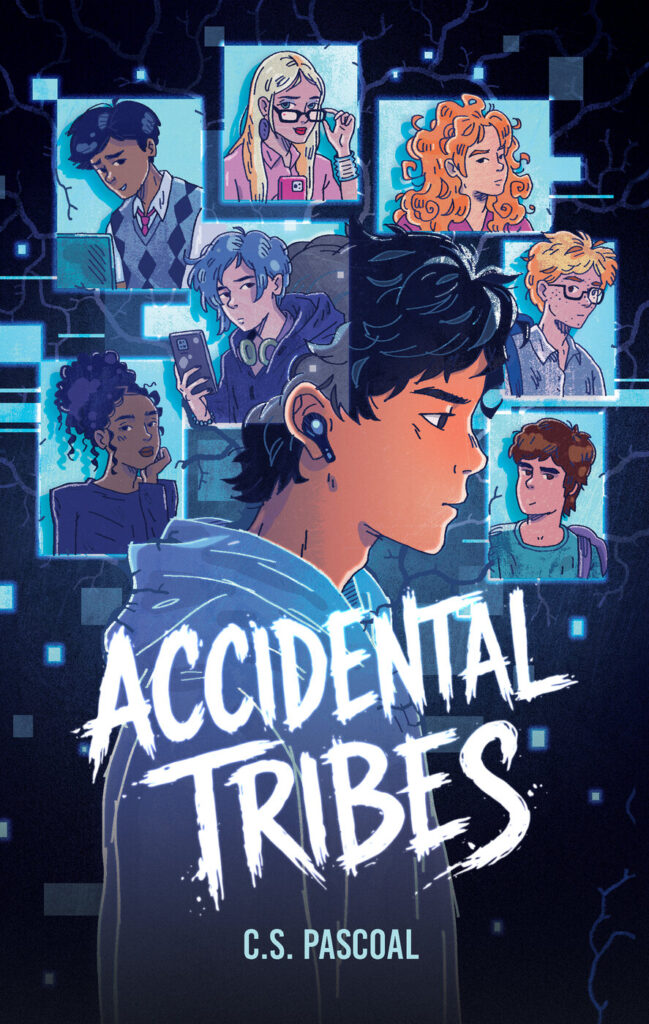
That’s where Accidental Tribes by C.S. Pascoal meets this moment in YA fiction. It’s an illustrated mystery, not a traditional dystopian novel. But its central tension will feel recognizable to readers drawn to stories about secrets and institutional accountability: eight defiant teenagers are placed in a 30-day disciplinary test called Experiment 359, inside a forgotten classroom named Solitaria. There, they begin uncovering school secrets, an unsolved death, and systemic cover-ups.
The stakes are personal as well as institutional. These teens arrive with different reasons to distrust one another, and the mystery forces them to decide whose accounts they believe and what they’re willing to risk to uncover the truth. The story also brings the pressures of contemporary digital life into the mix, from hacked grades to AI-generated humiliation.
In Accidental Tribes, the system under scrutiny isn’t a distant fictional government. It’s the school community around the characters. That gives the novel a grounded route into questions that also animate dystopian fiction: Who gets believed? What does accountability look like? And can a group divided by conflict work together when the facts matter?
YA dystopian reads for teens who like questioning the system
Looking for a next read? This short list brings together a mystery with dystopian themes and recent YA novels that explore authority, truth, or control in different ways. Content and age suitability vary, so check the publisher’s information for the reader you have in mind.
- Accidental Tribes by C.S. Pascoal: An illustrated YA mystery for readers who like school secrets, ensemble casts, and contemporary stakes. Eight teenagers investigate what’s been hidden inside Solitaria, where a disciplinary test becomes a route into a deeper mystery. It’s not a conventional dystopia, but it puts institutional trust, digital manipulation, and accountability at the center of the story.
- Golden Flight by S. K. Ali: The concluding novel in The Keeper’s Records of Revolution duology follows a team planning to infiltrate an elite event in a divided world. It’s a strong pick if you’re interested in rebellion, hidden records, and the line between friend and foe. The publisher lists it for ages 14 and up.
- The Season of Light and Darkness by Jillian Cantor: In this story, siblings confront a brainwashing procedure under an anti-science regime. The book opens space to talk about conformity, identity, and when it’s important to resist pressure to fit in.
- To Our Untamed Core by Sonido Reyes: Set in a world ruled for centuries by conquistadores, the novel follows a teen who discovers that their tyranny is built on a lie. A compelling option for readers interested in contested history, identity, and the costs of erasure.
- The Heart Trials by J. Elle: A dystopian romantasy in which a dangerous competition offers a path to freedom in a society that restricts who is allowed to love. For teens who want political tension alongside fantasy and romance, it explores what happens when a regime tries to control even private feelings.
How to talk about dystopian fiction with a teen
You don’t need to turn every book into a lesson. A few open questions can make a conversation feel natural:
- Which character had the most reason to distrust the system?
- What evidence changed your understanding of what was happening?
- Who had power in the story, and who didn’t?
- Did the characters find a way forward together, or did they have to act alone?
These questions make room for different interpretations. They also help teens connect plot to theme without an adult telling them what the book is “supposed” to mean.
For educators, Accidental Tribes comes with free educator materials and discussion resources, which can support conversations about AI, identity, media literacy, belonging, and accountability. You can also read more about the novel and explore the free chapters before deciding whether it fits your reader or classroom.
The questions are the point
The resurgence of YA dystopia isn’t only about bigger threats or darker worlds. The stories highlighted in Publishers Weekly return to a simpler, more human impulse: notice what’s wrong, ask who benefits, and decide whether the official explanation holds up.
That’s a question worth exploring in a faraway kingdom, an imagined future, or a forgotten classroom down the hall.