• Classroom

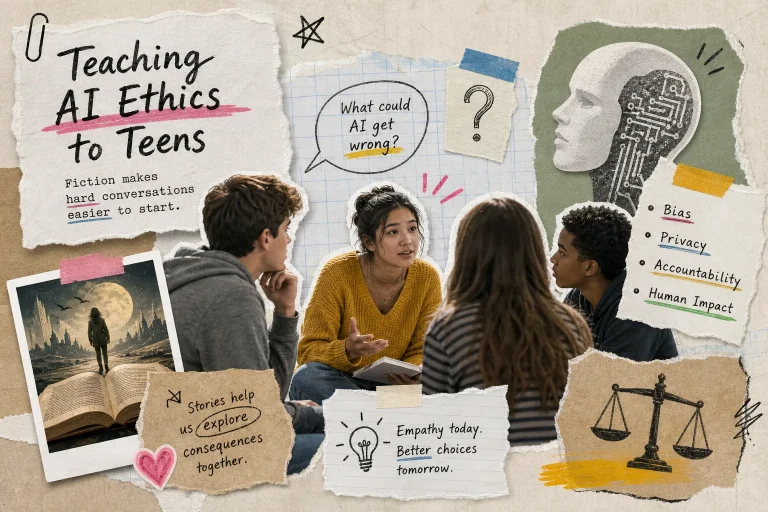
    Teaching AI ethics to teens: why fiction works best

    A few years into teaching, I ran what I thought was a solid AI ethics lesson. I pulled a news article about algorithmic bias in a hiring tool, handed out a structured rubric, and asked students to identify the harm. They did exactly that. They filled in every box. They used words like "disproportionate impact" and "data misrepresentation." And when I asked if anyone had a question, I got silence. Not the productive kind. The kind that tells you nobody in the room actually cared about what they just read.
  • Classroom

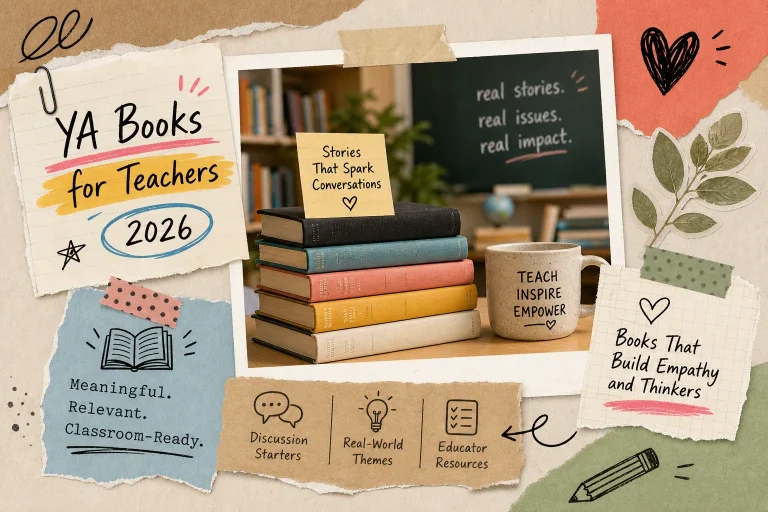
    Best YA Books for Teachers in 2026: Classroom-Ready Picks

    If you're assembling the best YA books for teachers in 2026, you've probably lived this scenario: you spend a weekend reading a YA novel that genuinely grips you, pitch it to your department head on Monday, and then realize mid-conversation that you have no discussion guide, no curricular tie-in, and no answer when someone asks whether it's been challenged at the district level. Great book. Unusable for class. The 2026 release calendar is stacked with highly rated young adult titles, but "highly rated" and "classroom-ready" are two different qualifications entirely.

  • Classroom

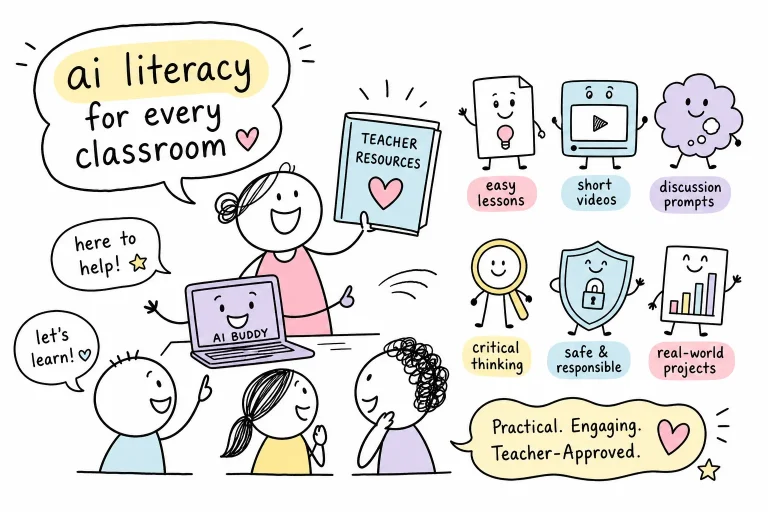
    The AI literacy classroom resources teachers actually use

    If you're searching for AI literacy classroom resources that actually land with students, here's something a lot of teachers don't say out loud: you downloaded the slide deck, you built the lesson, and by slide three your students were somewhere else entirely. Not disruptive. Just gone. Eyes open, minds closed. And you left the room wondering whether you'd actually taught anything or just narrated a presentation at a group of teenagers who already knew more about TikTok's algorithm than your district's "digital citizenship" unit ever acknowledged.