Digital Safety
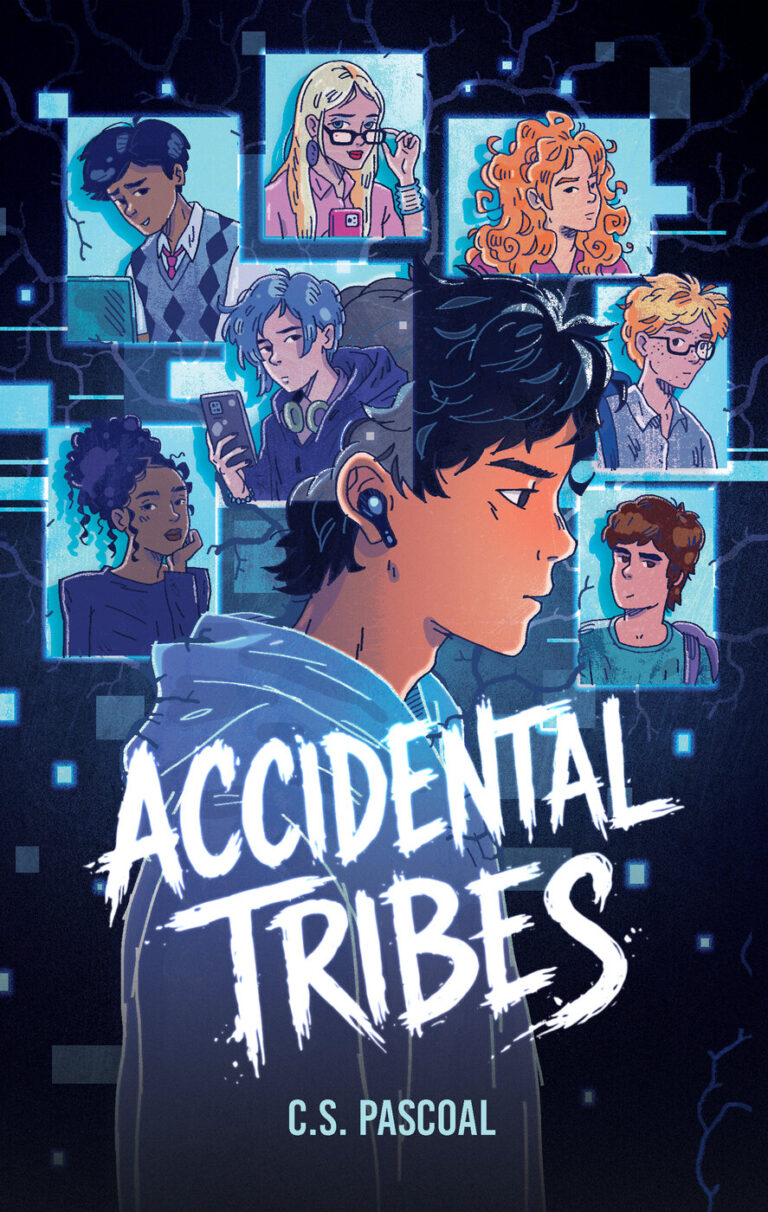
10 Cyberbullying Books for Teens That Spark Real Conversations
Ten novels about online cruelty, rumors, fake identities, and public humiliation, with age notes and questions that make it easier to start a real conversation.
Category
What parents and schools need to know about AI misuse, cyberbullying and online safety for teens.
Digital Safety
Ten novels about online cruelty, rumors, fake identities, and public humiliation, with age notes and questions that make it easier to start a real conversation.
Digital Safety
Seven YA novels about likes, online identity, fandom, and always-on tech that give parents and teens a shared starting point for talking about life online.
Digital Safety
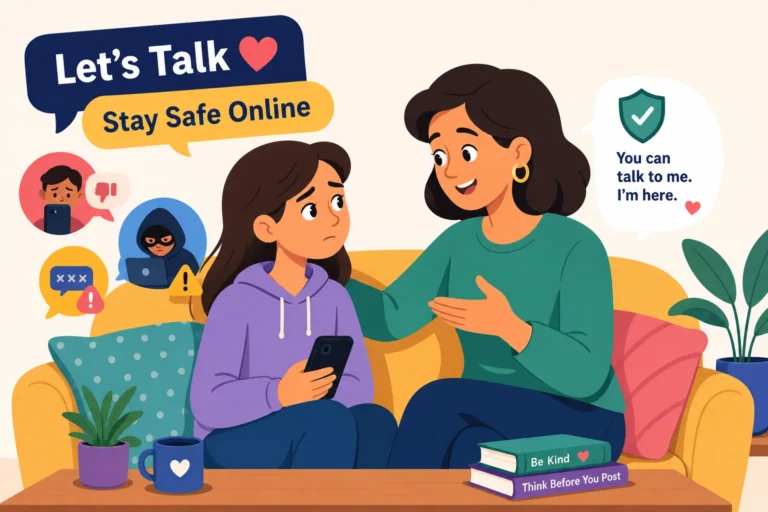
Tried the social media talk and got a slow blink? Here is when to bring it up, how to avoid the eye roll, which risks to name, and short scripts that sound like a person, not a policy.

Digital Safety
Six unfamiliar apps and a cartoon ghost on your kid's phone? Here is a calm guide to the real social media risks for kids, which platforms need the most attention, and what parents can do this week.

Digital Safety
Social media hits hardest at 12 and 13. Here are the real risks for middle schoolers, the warning signs that hide in ordinary teen behavior, and practical steps parents can start this week.
Digital Safety
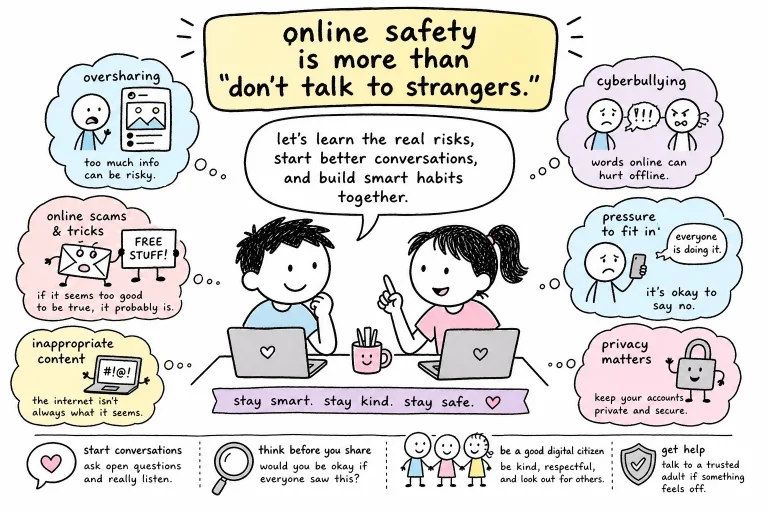
Middle school online safety is urgent: in 2026, 68% of children reported encountering at least one form of online harm in the past year. That number should stop anyone cold. Yet many of the online safety conversations happening in homes and classrooms are still built around advice from a decade ago, don't share your password, don't talk to strangers. Middle schoolers today are navigating AI-generated harassment, anonymous account pile-ons, and grooming tactics that look nothing like what most adults were warned about when they were young.
Digital Safety
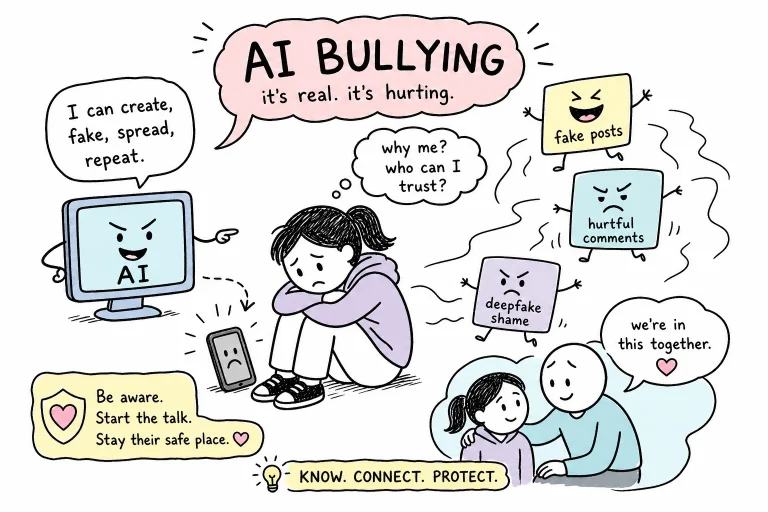
AI cyberbullying of teens is happening right now, in American middle schools and high schools, powered by tools that are disturbingly easy to find. Imagine a 16-year-old girl waking up on a Tuesday morning to find a sexualized image of herself already circulating across three different group chats before first period. She didn't create it. No one asked her permission. Whoever made it used a free app that took about four minutes. She walked into school anyway. She had to.
Digital Safety
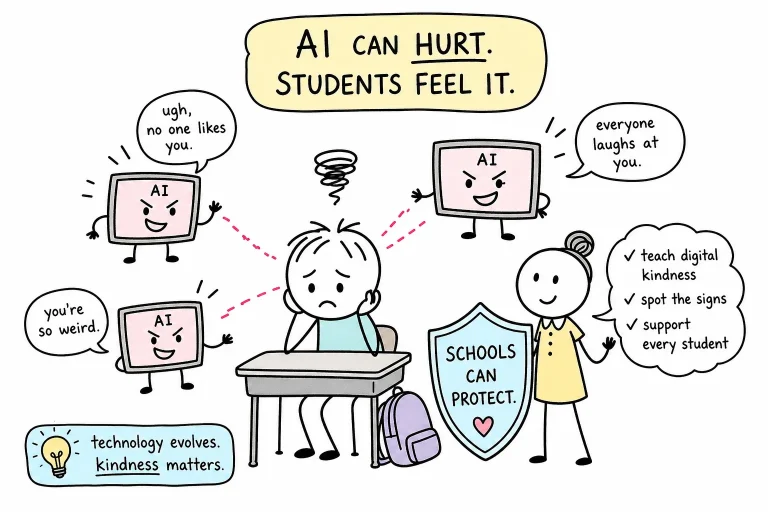
She walked into school on a Tuesday morning like any other. By second period, she already knew. A friend pulled her aside, phone in hand, face tight. Someone had taken her photo, fed it into a free AI tool, and generated a sexualized image of her body that had been shared with roughly 30 classmates. She hadn't done anything wrong. She hadn't said yes to anything. And she had absolutely no idea this was coming.